
Trade pricing and standing orders.
Sell to restaurants, offices and other shops out of the same catalog you sell to the public from — with their prices, their terms, and an order they can place themselves.
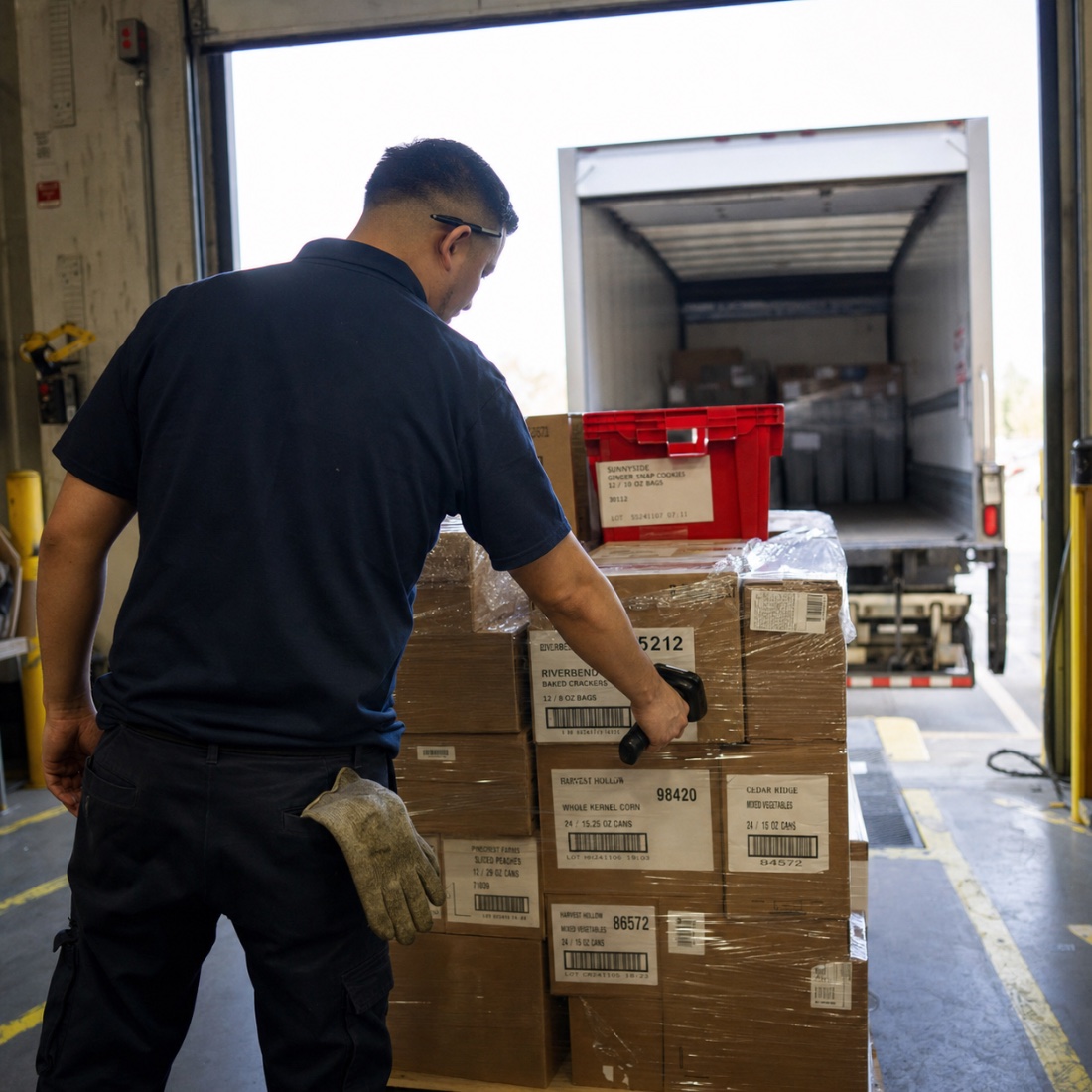
Wholesale usually runs on texts and a memory for prices.
A restaurant calls, somebody writes it on a pad, and the price depends on who picked up the phone. Mimnu makes the trade side a real channel without making it a second business to run.
On a pad
- Prices that depend who answers
- Orders taken by text
- Invoices typed after the fact
- Stock promised twice
- Terms nobody tracks
With Mimnu
- A price list per customer
- Orders placed by the customer
- Invoice generated on dispatch
- One pool of stock
- Terms and limits enforced
Same catalog. Different prices.
Set the account up
A trade account with its own price list, payment terms, delivery days and credit limit — set per customer or per tier.
They order themselves
A private storefront showing their prices and your live stock. Or you take the order over the phone and it lands in exactly the same place.
Pick, dispatch, invoice
The pick list prints, the stock moves, and the invoice generates against their terms with nothing re-typed anywhere.

Every account pays its own price.
Tier pricing, per-customer overrides, case-break rules and contract prices with an end date — all held against the same product record your shelf price comes from.
- Tiers, overrides and contract prices
- Case, pack and unit breaks
- Margin visible on every trade line
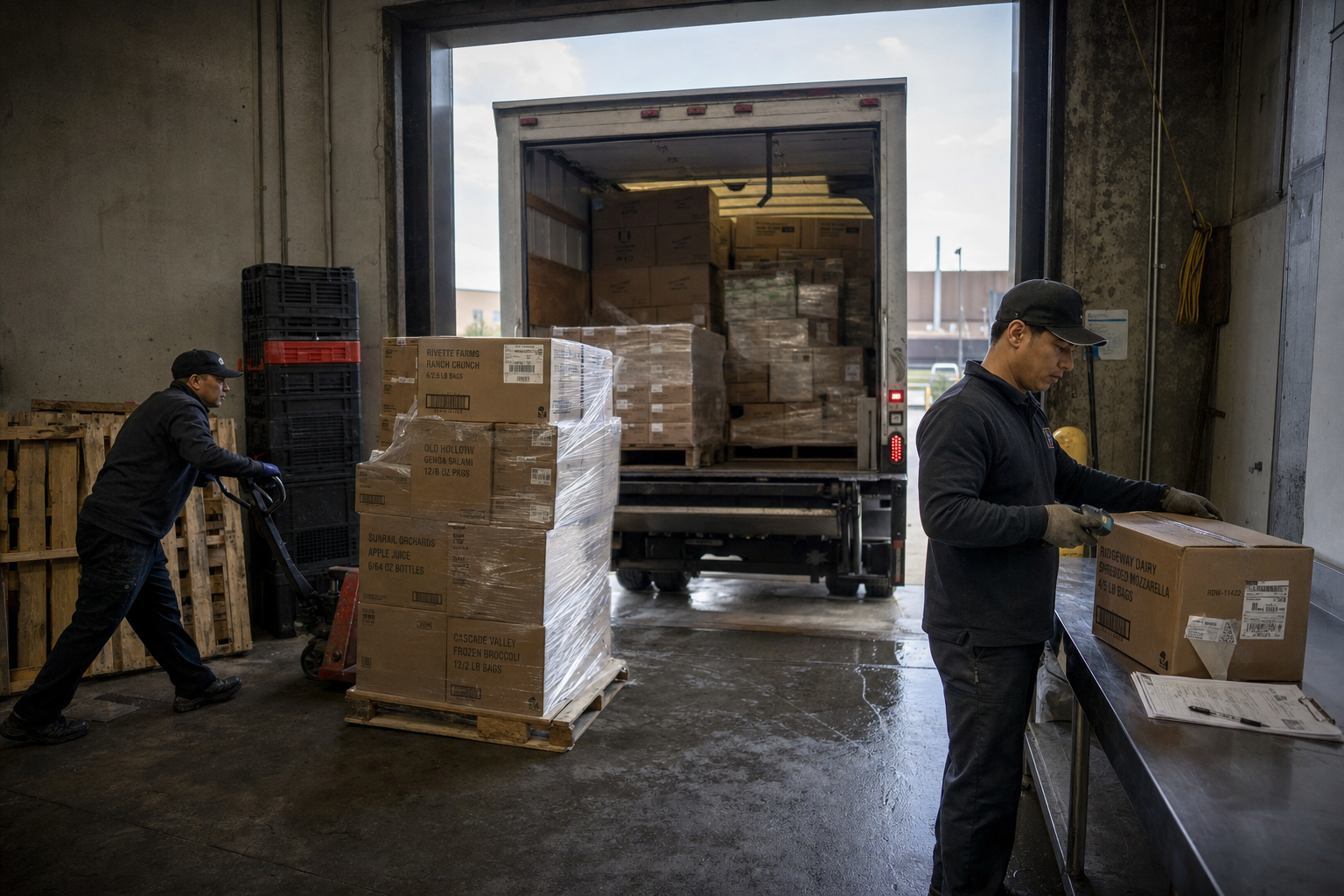
The weekly order that places itself.
A café that takes the same twelve lines every Tuesday should not have to place an order every Tuesday. Set the schedule once; Mimnu builds it, flags substitutions, and lets them edit it before cut-off.
- Repeat orders on a schedule
- Substitutions flagged before dispatch
- Cut-off times per delivery day
Wholesale is built out of what you already run.
Catalog
One product record behind retail and trade prices alike.
Ecommerce
A private, logged-in storefront for each trade account.
Invoices & AP
Sales invoices and statements on the same ledger.
Inventory
One pool of stock, so nothing is promised twice.
Answers, before you ask.
Wholesale is the same store, pointed at a different customer.
Set up one trade account.
Give a single customer their own prices and a standing order, and see how much of the pad it replaces.