
Books that close themselves.
Mimnu is not an add-on to your accounting — it is where the numbers are made. Invoices, deposits, drawers, payroll and sales all post to one ledger, so closing the month is a matter of reading it rather than building it.
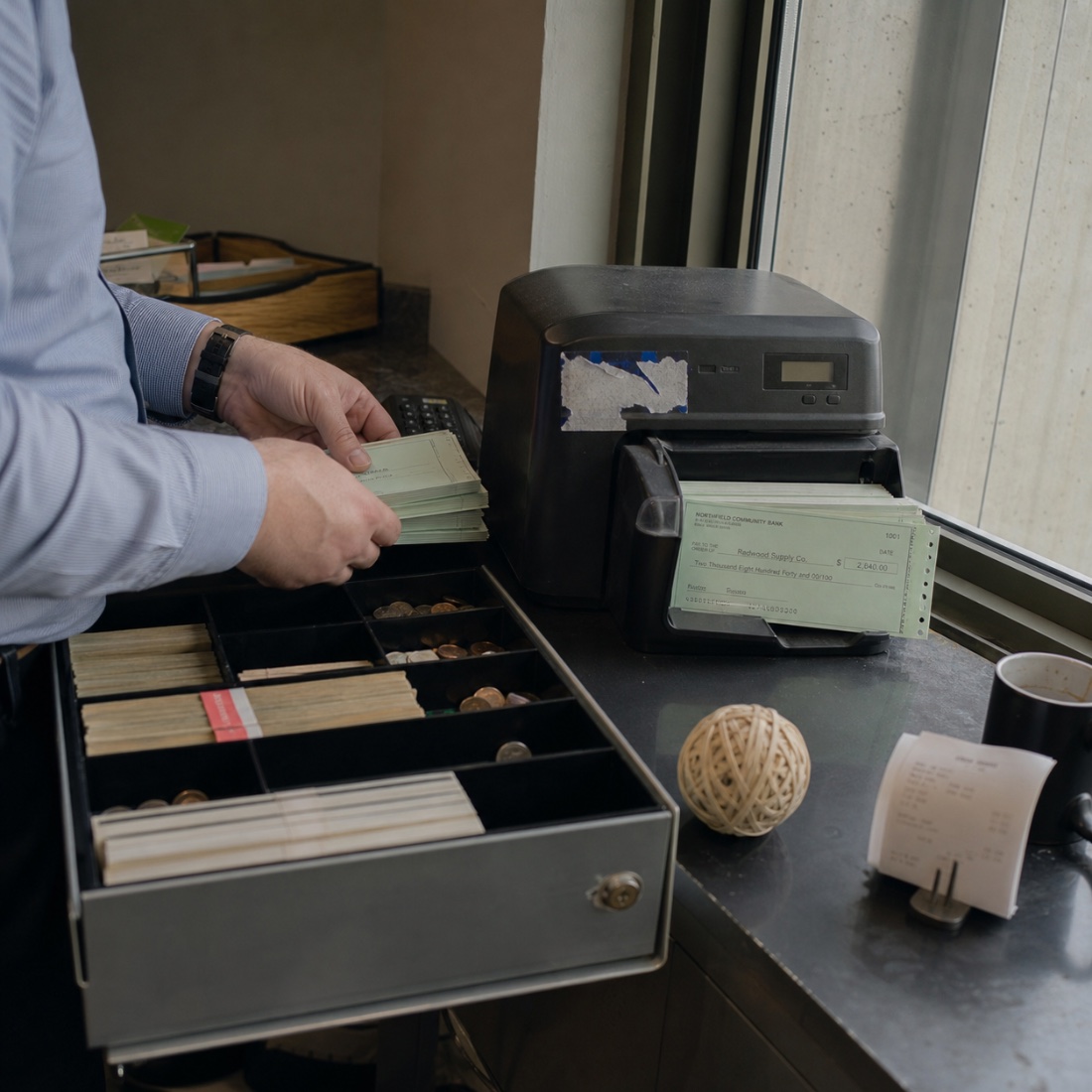
Bookkeeping is mostly re-typing what already happened.
Every number your accountant needs already exists somewhere in the store — on an invoice, a deposit slip, a drawer count. Mimnu captures it once, at the moment it happens, and never asks for it again.
The usual way
- Receipts in a shoebox
- Exports into the accounting package
- Two systems that disagree
- Month end takes a week
- Adjustments nobody can explain
With Mimnu
- Captured where it happens
- Posted once, to one ledger
- One set of numbers
- Month end is a read
- Every entry traces to a document
Nothing to enter. Nothing to export.
Documents come in
Invoices, statements, deposit slips and receipts arrive by email or photograph and are read line by line, the day they land.
Entries post themselves
Each line lands in the ledger with the vendor, the product, the tax and the account already attached to it.
Your accountant reads it
Give them access to a closed set of books, with the original document sitting one click behind every line in them.
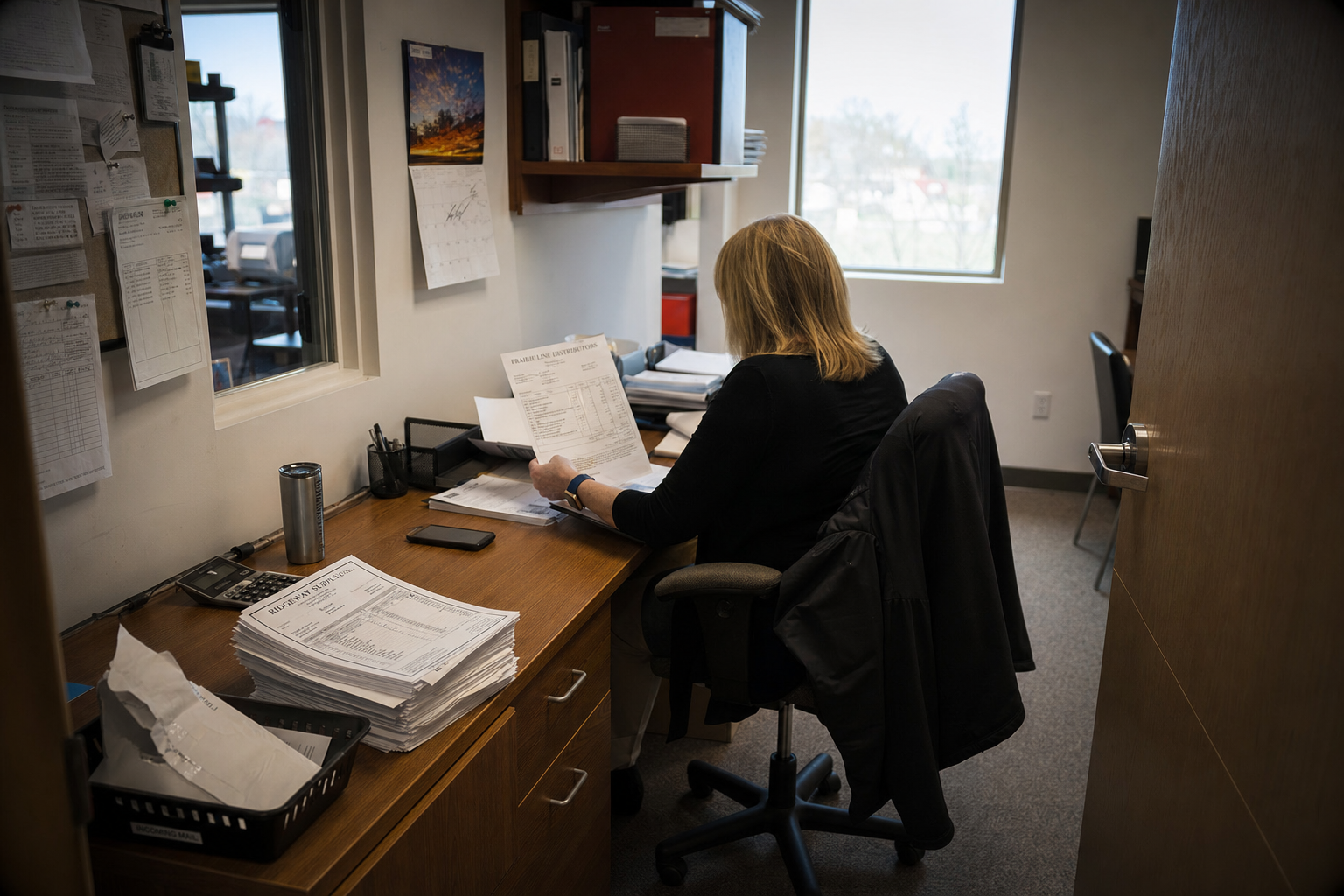
Coded when it arrives, not at the end.
Vendors, categories and products carry their accounts with them, so a line is coded the moment it is read. What is left for review is genuinely ambiguous — and it is a short list.
- Accounts follow vendor and category
- Tax handled per line
- Review queue for the genuinely unclear
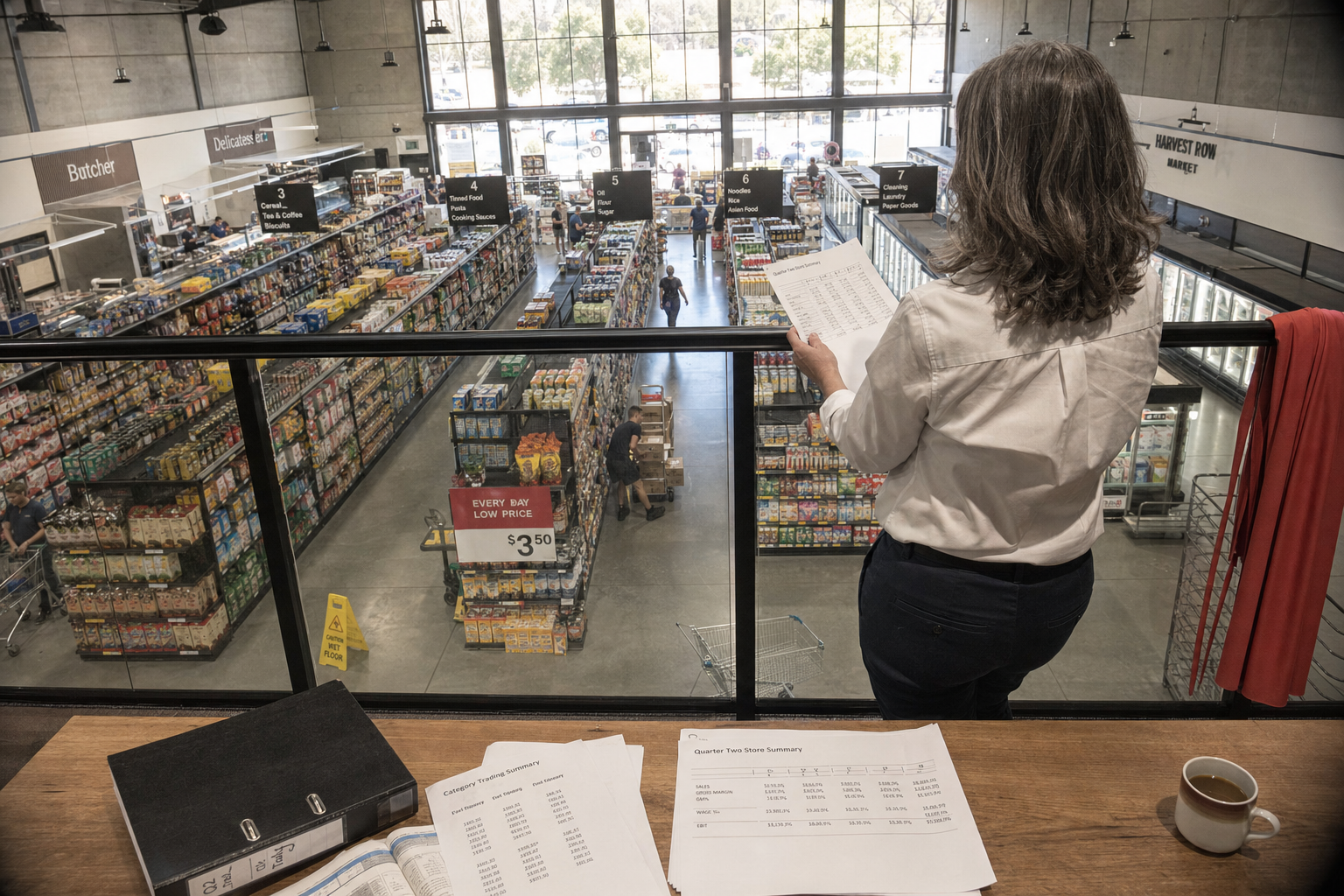
Every number opens back into its paperwork.
Click a total, get the lines. Click a line, get the invoice page it was read from. There is no version of the books that exists separately from the documents behind them.
- Source document on every line
- Who posted it, and when
- Period locks once you close
Accounting is four modules working together.
Invoices & AP
Every vendor line read, coded and posted.
Banking & cash
Feeds matched nightly, drawers counted under a PIN.
Payroll
Hours and checks on the same ledger as everything else.
Reports & Brain
Live statements, and the analyst that reads them.
Turn them on together, or one at a time.
Answers, before you ask.
The books are downstream of the floor.
Invoices & AP
Vendor bills read line by line and coded as they arrive.
Open Invoices & AP → Module 03Banking & cash
Feeds, deposits and drawers reconciled while the store is dark.
Open Banking & cash → Module 08Reports & Brain
Statements you can read live, and question in plain English.
Open Reports & Brain →Close a month without building it.
Connect one account, forward a week of invoices, and see what closing looks like when the data is already there.